

Current Series



Context
c. AD 50–51
c. AD 52–54
c. AD 55–56
Paul establishes the church in Corinth during his second missionary journey
Ongoing correspondence and visits between Paul and the Corinthian church, including a painful visit and a “tearful letter”
Paul writes 2 Corinthians from Macedonia after receiving encouraging news from Titus that many in Corinth had repented and reaffirmed their affection for him.
Corinth was a wealthy port city in southern Greece, known in the first century for its diversity, intellectualism, and immorality. Paul established the church there during his second missionary journey (Acts 18:1–17), likely around AD 50–51, and stayed for 18 months. He later wrote 1 Corinthians from Ephesus, probably around AD 54–55, after hearing troubling reports about the church he had planted.
Strength in Weakness (1:8–11; 12:9–10)
God’s power is most clearly displayed not through human strength, but through dependence on Him.The Ministry of Reconciliation (5:16–21)
The gospel reconciles sinners to God and calls the church to embody reconciliation in the world.Suffering and Comfort (1:3–7; 4:7–18)
Affliction is not wasted—God meets His people with comfort so they may comfort others.Authentic Gospel Leadership (2:17; 10–13)
True ministry is marked by faithfulness, humility, and endurance—not self-promotion.Generosity as Grace (chs. 8–9)
Giving flows from gratitude for God’s grace, not obligation or pressure.
Throughout 2 Corinthians, Paul calls the church to see their lives—and his ministry—through the lens of the cross. God’s power is not revealed through dominance or prestige, but through surrender, faithfulness, and resurrection hope. The letter invites believers to trust God amid suffering, to pursue reconciliation over rivalry, and to live as transformed people who reflect Christ in weakness and strength alike.
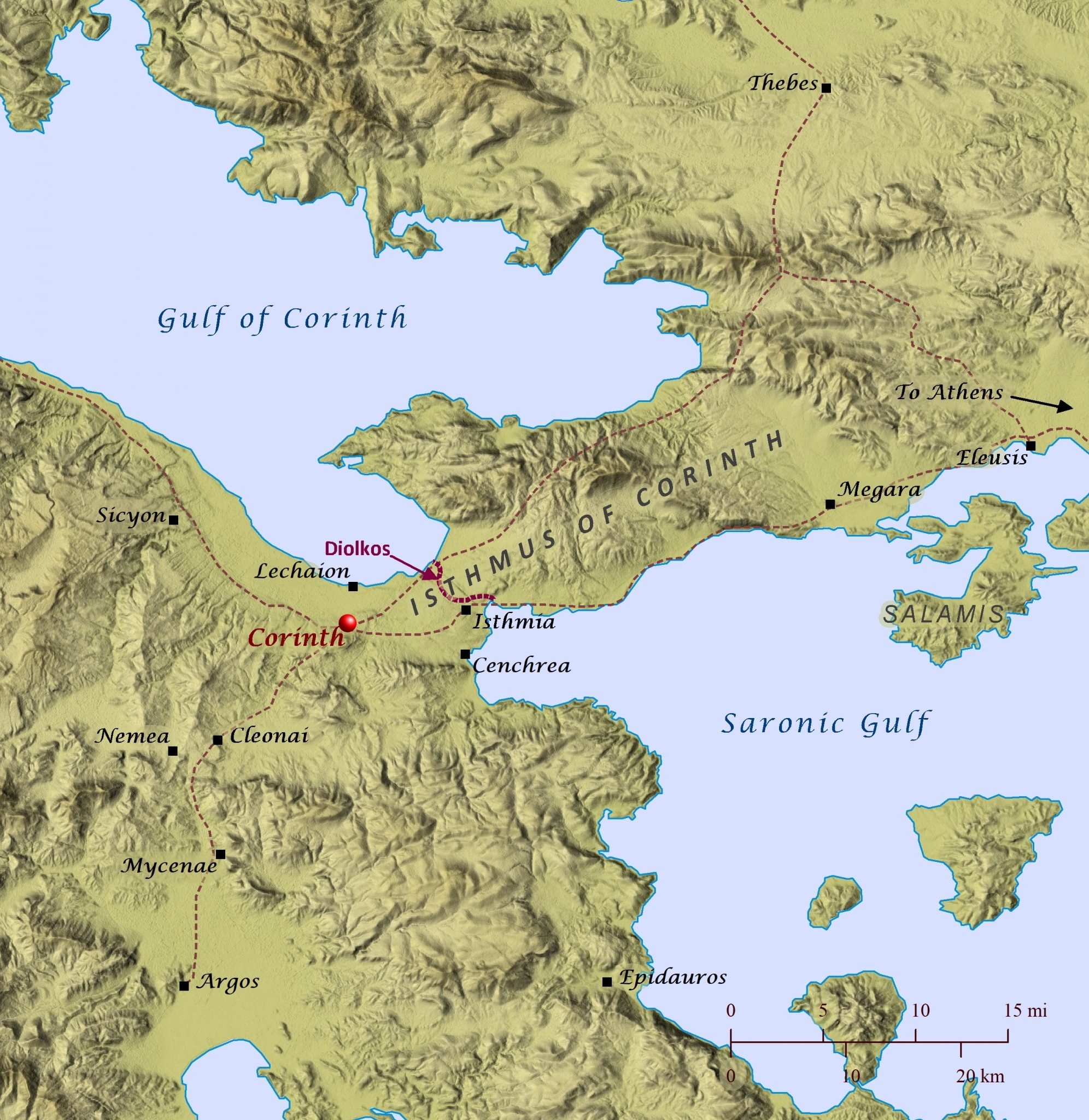
Setting
Paul writes 2 Corinthians amid this tension, challenging Corinthian assumptions about strength and success. He presents a radically different vision of ministry—one shaped by suffering, humility, reconciliation, and reliance on God. The letter would have been read aloud in gathered house churches across the city, inviting believers to see their trials not as signs of failure, but as spaces where God’s grace is made visible.

2 Corinthians: Summary
Paul opens the letter by reminding the Corinthians that God is the Father of compassion and comfort, who meets His people in suffering and strengthens them through affliction (1:1–11). He addresses misunderstandings about his ministry, explaining that his plans and hardships reflect dependence on God rather than personal weakness or instability (1:12–2:17).
Paul emphasizes the transforming power of the gospel, describing believers as living letters shaped by the Spirit and pointing to the surpassing glory of the new covenant in Christ (3:1–18). He contrasts outward weakness with inward renewal, assuring the church that present suffering is preparing an eternal weight of glory (4:1–18), and reminds them that their hope rests in God’s promise of resurrection and reconciliation (5:1–21).
Chapters 6–7 call the Corinthians to wholehearted faithfulness—urging them to live set apart for God, pursue repentance, and experience the joy of restored relationship with Him and with one another. Paul then encourages generosity, presenting giving as a response to God’s grace and a reflection of Christ’s self-giving love (chapters 8–9).
In the final chapters (10–13), Paul defends his apostolic authority against false teachers, redefining strength as humility, suffering, and reliance on God. He concludes by urging the church to examine themselves, stand firm in the faith, and live in unity, grace, and peace as the body of Christ.

Struggling to read the Bible consistently? The MAPS method offers a simple, practical framework that transforms daily Bible reading into a life-changing encounter with God.
The MAPS Method
M: Meditate & Memorize
Biblical meditation differs from quick Bible reading by involving slow, deep reflection on Scripture's meaning.
A: Apply
Application moves beyond information gathering toward spiritual transformation. Understanding must lead to action—a principle true in every area of life.
P: Pray
Respond to meditation and application commitments through prayer, creating dialogue between your prayers and Scripture rather than a monologue.
S: Share
Conclude by committing to share what God has taught you with at least one other person.